georges michel
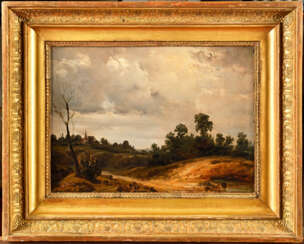

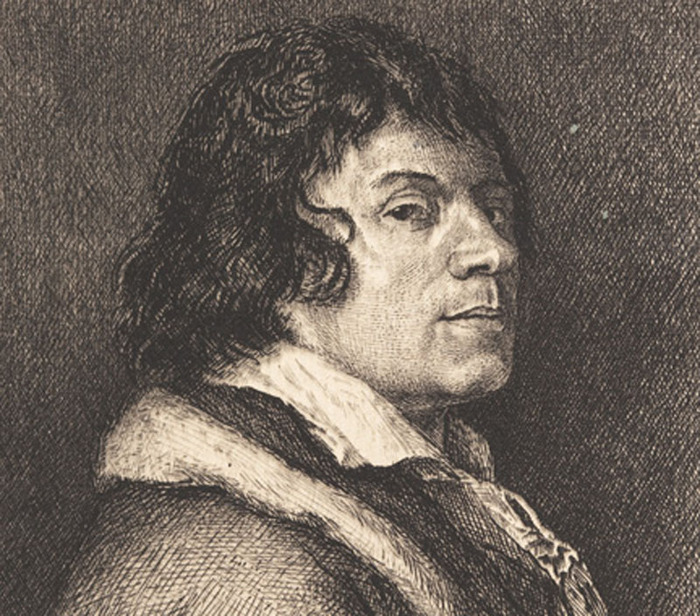
Georges Michel was a French landscape painter and restorer.
Georges Michel painted landscapes in oil and watercolor, creating many paintings of views of Paris neighborhoods. In 1791, the artist made his debut at the Salon, where he continued to exhibit regularly. However, critics ignored Michel, considering his works too similar to those of the Dutch masters. From 1800 he worked at the Louvre as a restorer of Flemish and Dutch paintings, including works by Rembrandt, Jacob van Ruysdal and Meindert Hobbema, who had a decisive influence on his own work.
A forerunner of the Barbizon School, Georges Michel was forgotten for several decades after his death. The first major exhibition of his work was presented in Paris in 1927. Today, his work is in museums around the world, including the Metropolitan Museum of Art, the Hermitage Museum, the Vanderbilt University Gallery, the Strasbourg Museum of Fine Arts, the Victoria and Albert Museum, and many others.
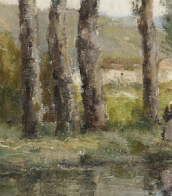
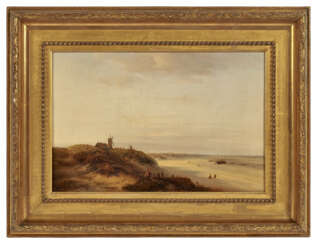

Georges Michel was a French landscape painter and restorer.
Georges Michel painted landscapes in oil and watercolor, creating many paintings of views of Paris neighborhoods. In 1791, the artist made his debut at the Salon, where he continued to exhibit regularly. However, critics ignored Michel, considering his works too similar to those of the Dutch masters. From 1800 he worked at the Louvre as a restorer of Flemish and Dutch paintings, including works by Rembrandt, Jacob van Ruysdal and Meindert Hobbema, who had a decisive influence on his own work.
A forerunner of the Barbizon School, Georges Michel was forgotten for several decades after his death. The first major exhibition of his work was presented in Paris in 1927. Today, his work is in museums around the world, including the Metropolitan Museum of Art, the Hermitage Museum, the Vanderbilt University Gallery, the Strasbourg Museum of Fine Arts, the Victoria and Albert Museum, and many others.


Georges Michel was a French landscape painter and restorer.
Georges Michel painted landscapes in oil and watercolor, creating many paintings of views of Paris neighborhoods. In 1791, the artist made his debut at the Salon, where he continued to exhibit regularly. However, critics ignored Michel, considering his works too similar to those of the Dutch masters. From 1800 he worked at the Louvre as a restorer of Flemish and Dutch paintings, including works by Rembrandt, Jacob van Ruysdal and Meindert Hobbema, who had a decisive influence on his own work.
A forerunner of the Barbizon School, Georges Michel was forgotten for several decades after his death. The first major exhibition of his work was presented in Paris in 1927. Today, his work is in museums around the world, including the Metropolitan Museum of Art, the Hermitage Museum, the Vanderbilt University Gallery, the Strasbourg Museum of Fine Arts, the Victoria and Albert Museum, and many others.


Georges Michel was a French landscape painter and restorer.
Georges Michel painted landscapes in oil and watercolor, creating many paintings of views of Paris neighborhoods. In 1791, the artist made his debut at the Salon, where he continued to exhibit regularly. However, critics ignored Michel, considering his works too similar to those of the Dutch masters. From 1800 he worked at the Louvre as a restorer of Flemish and Dutch paintings, including works by Rembrandt, Jacob van Ruysdal and Meindert Hobbema, who had a decisive influence on his own work.
A forerunner of the Barbizon School, Georges Michel was forgotten for several decades after his death. The first major exhibition of his work was presented in Paris in 1927. Today, his work is in museums around the world, including the Metropolitan Museum of Art, the Hermitage Museum, the Vanderbilt University Gallery, the Strasbourg Museum of Fine Arts, the Victoria and Albert Museum, and many others.


Georges Michel was a French landscape painter and restorer.
Georges Michel painted landscapes in oil and watercolor, creating many paintings of views of Paris neighborhoods. In 1791, the artist made his debut at the Salon, where he continued to exhibit regularly. However, critics ignored Michel, considering his works too similar to those of the Dutch masters. From 1800 he worked at the Louvre as a restorer of Flemish and Dutch paintings, including works by Rembrandt, Jacob van Ruysdal and Meindert Hobbema, who had a decisive influence on his own work.
A forerunner of the Barbizon School, Georges Michel was forgotten for several decades after his death. The first major exhibition of his work was presented in Paris in 1927. Today, his work is in museums around the world, including the Metropolitan Museum of Art, the Hermitage Museum, the Vanderbilt University Gallery, the Strasbourg Museum of Fine Arts, the Victoria and Albert Museum, and many others.
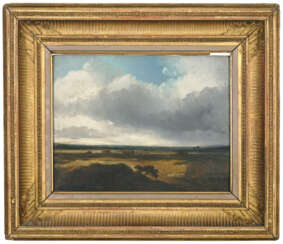

Georges Michel was a French landscape painter and restorer.
Georges Michel painted landscapes in oil and watercolor, creating many paintings of views of Paris neighborhoods. In 1791, the artist made his debut at the Salon, where he continued to exhibit regularly. However, critics ignored Michel, considering his works too similar to those of the Dutch masters. From 1800 he worked at the Louvre as a restorer of Flemish and Dutch paintings, including works by Rembrandt, Jacob van Ruysdal and Meindert Hobbema, who had a decisive influence on his own work.
A forerunner of the Barbizon School, Georges Michel was forgotten for several decades after his death. The first major exhibition of his work was presented in Paris in 1927. Today, his work is in museums around the world, including the Metropolitan Museum of Art, the Hermitage Museum, the Vanderbilt University Gallery, the Strasbourg Museum of Fine Arts, the Victoria and Albert Museum, and many others.
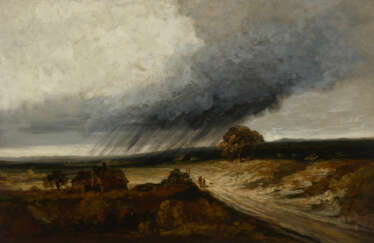

Georges Michel was a French landscape painter and restorer.
Georges Michel painted landscapes in oil and watercolor, creating many paintings of views of Paris neighborhoods. In 1791, the artist made his debut at the Salon, where he continued to exhibit regularly. However, critics ignored Michel, considering his works too similar to those of the Dutch masters. From 1800 he worked at the Louvre as a restorer of Flemish and Dutch paintings, including works by Rembrandt, Jacob van Ruysdal and Meindert Hobbema, who had a decisive influence on his own work.
A forerunner of the Barbizon School, Georges Michel was forgotten for several decades after his death. The first major exhibition of his work was presented in Paris in 1927. Today, his work is in museums around the world, including the Metropolitan Museum of Art, the Hermitage Museum, the Vanderbilt University Gallery, the Strasbourg Museum of Fine Arts, the Victoria and Albert Museum, and many others.

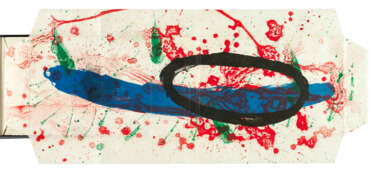

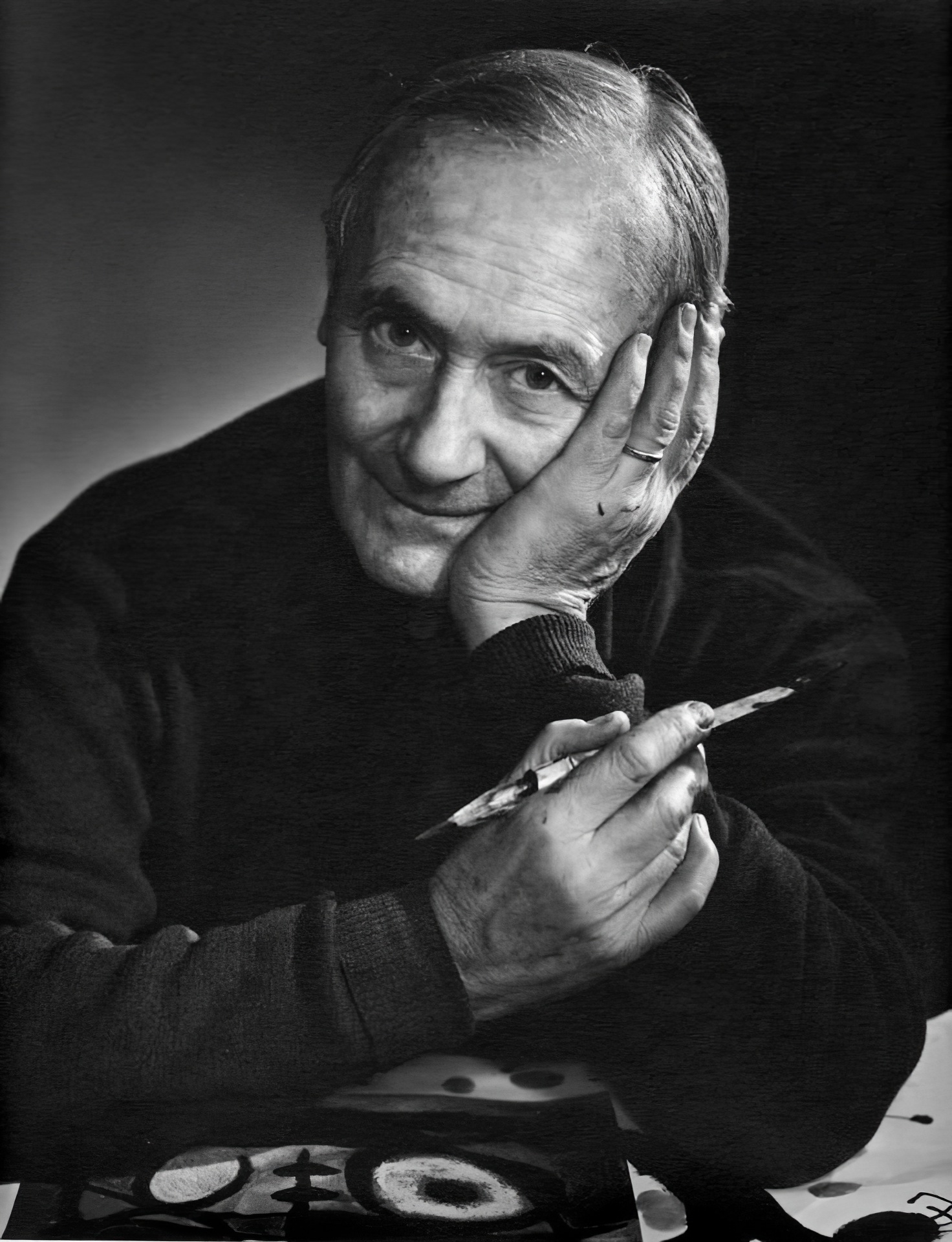
Joan Miró, a celebrated Spanish artist, was a master in painting, sculpture, and ceramics, renowned for his unique style that blurred the lines between Surrealism, Fauvism, and Expressionism. Born in Barcelona to a family of a goldsmith and a watchmaker, Miró grew up immersed in the rich cultural heritage of the Barri Gòtic neighborhood. His artistic journey began with drawing classes at the age of seven and continued at the prestigious La Llotja art academy. Despite an initial venture into the business world, Miró's passion for art prevailed, leading him to abandon his clerical career after a nervous breakdown.
Miró's work is noted for its exploration of the subconscious, often depicting a childlike perspective. This approach was both a critique of traditional painting methods and a means of expressing Catalan pride. His art, challenging to categorize, often featured symbolic elements and nationalistic qualities. One of his notable early works, "The Farm," reflects a transition to a more individual style, blending elements of his Catalan roots with broader artistic influences. This piece, later purchased by Ernest Hemingway, encapsulated the essence of Spain in its imagery.
In Paris, Miró joined the Surrealist movement in 1924, where his work began to reflect the influence of automatism, emphasizing spontaneous, automatic, or subconscious creation. He experimented with various mediums, including painting-poetry and collage, and even ventured into set and costume design for Sergei Diaghilev's Ballets Russes.
During World War II, Miró remained in Spain, and his work from this period, including the 22 Constellations series, reflected an interest in the night, music, and stars. His forms became increasingly abstracted, and he experimented with various techniques, often incorporating primary colors and evocative titles.
Miró's career spanned several decades, during which he continually evolved his style and explored new mediums. His contributions to art were recognized with numerous awards and retrospectives, including a major career retrospective at MoMA in 1941 and the Spanish Gold Medal for Fine Arts in 1980. Among his last major works was a tapestry for the World Trade Center in New York City, created in 1974.
For art collectors and enthusiasts, Joan Miró remains a figure of immense interest, not only for his distinct style and contributions to Surrealism but also for his ability to blend poetic imagery with political commentary. To stay updated on new product sales and auction events related to Joan Miró, sign up for our updates and immerse yourself in the world of this extraordinary artist.





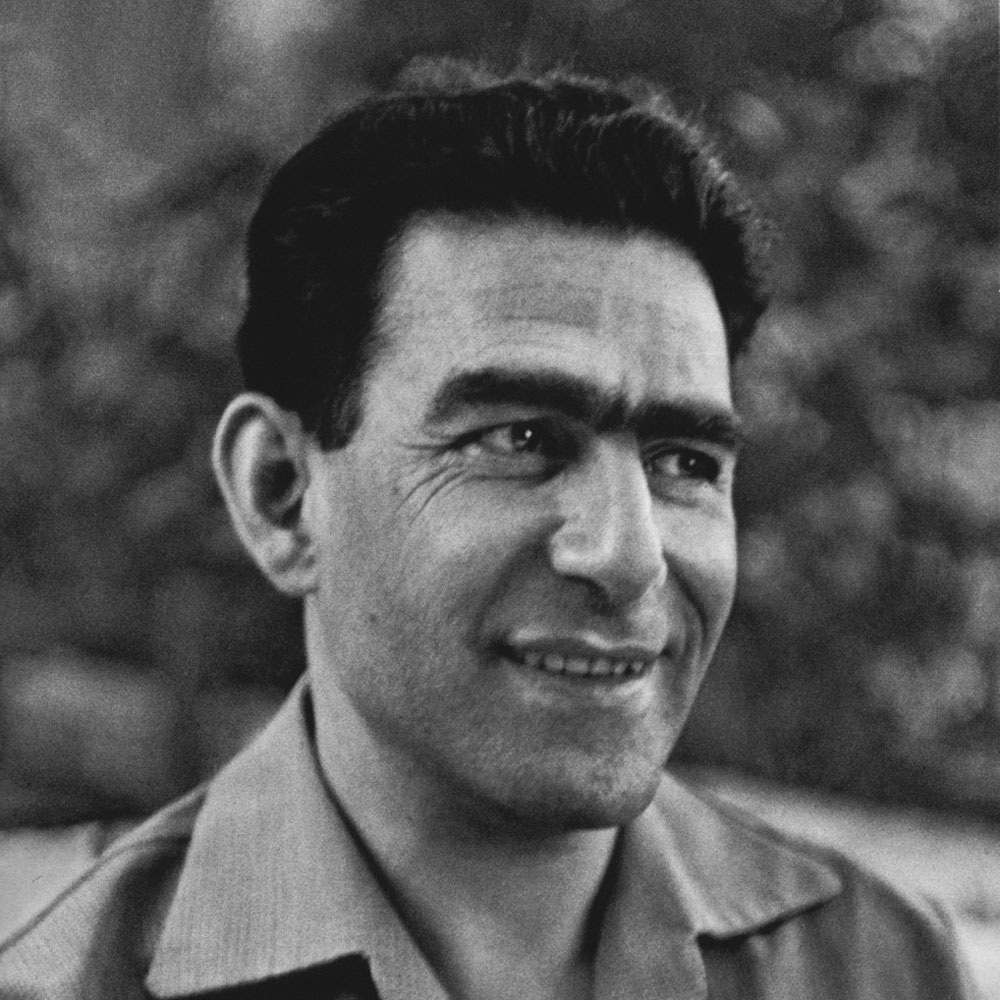
Jean-Michel Atlan was a French artist.
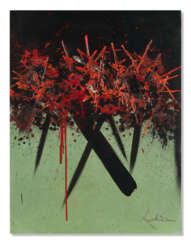

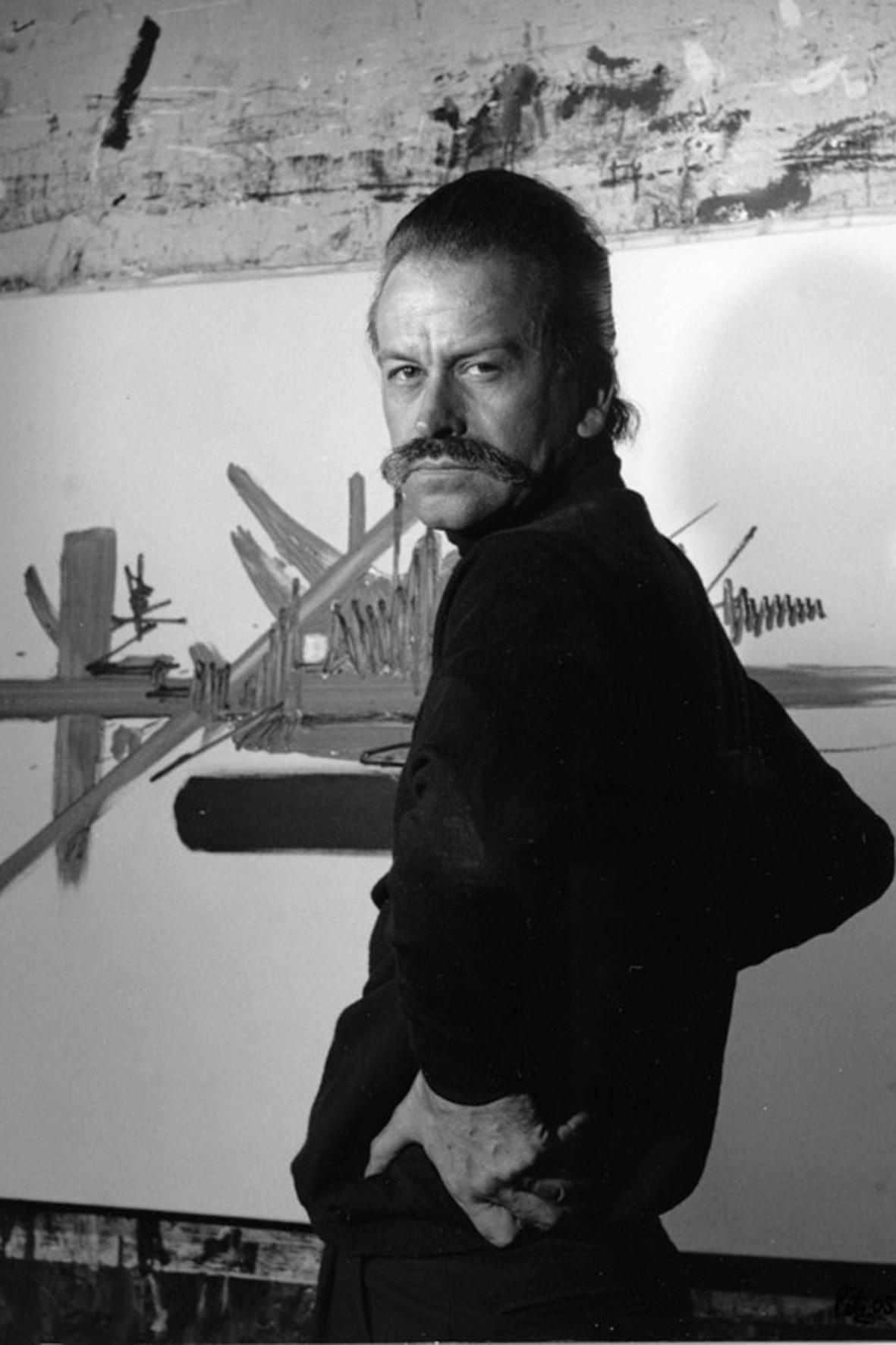
Georges Mathieu was a French abstract painter, art theorist, and member of the Académie des Beaux-Arts in Paris. He is considered one of the fathers of European lyrical abstraction, a trend of informalism.
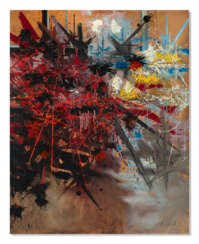

Georges Mathieu was a French abstract painter, art theorist, and member of the Académie des Beaux-Arts in Paris. He is considered one of the fathers of European lyrical abstraction, a trend of informalism.
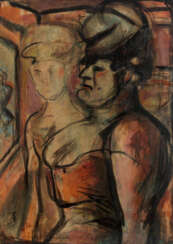

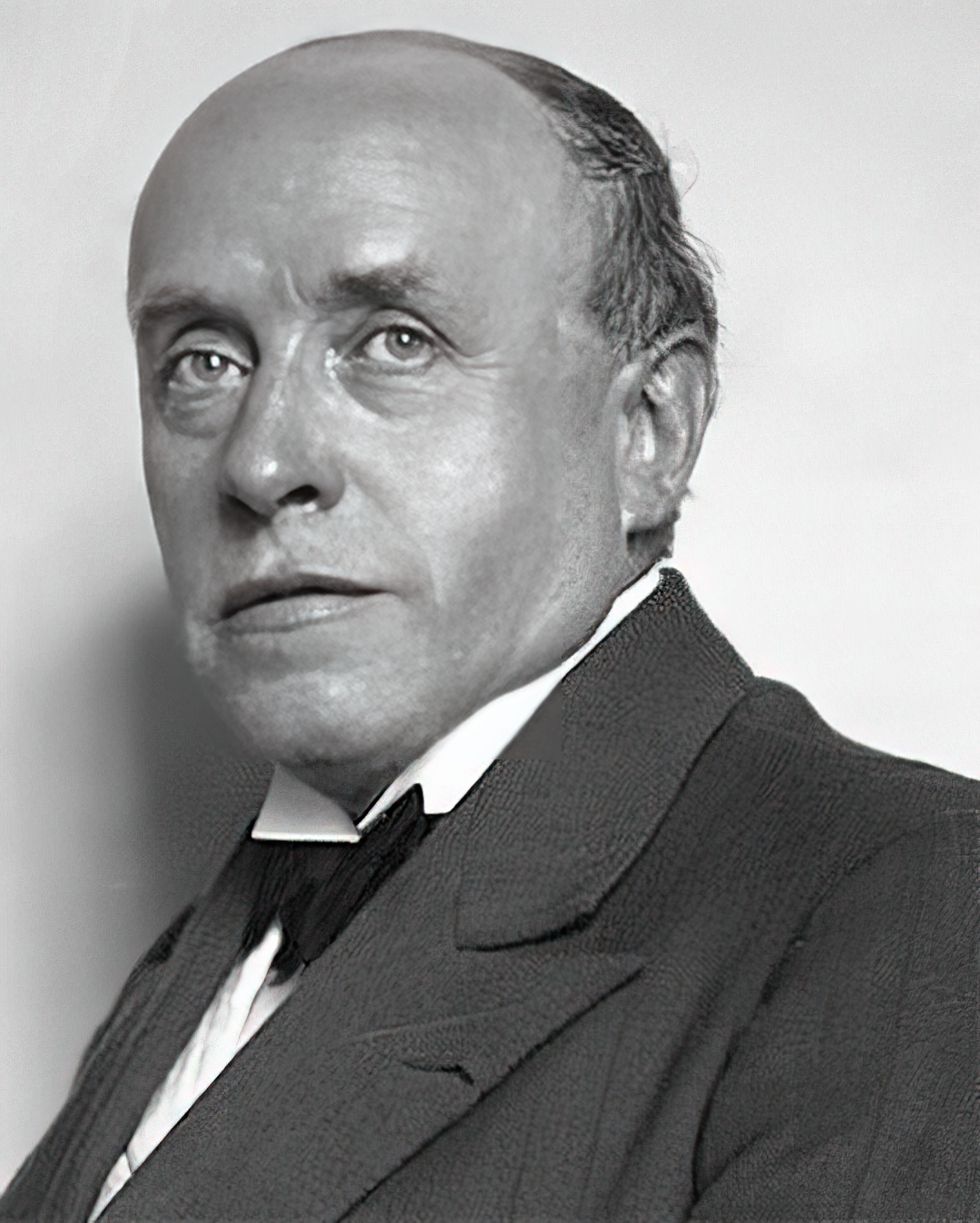
Georges Rouault was a French painter, printmaker and ceramicist whose profound works combined art and spirituality, making him a key figure in the contemporary art world. Born into a modest family in Paris during the turbulent times of the Paris Commune, Rouault's early exposure to art came through his grandfather's collection of lithographs by Honoré Daumier. His initial apprenticeship in a glazier's workshop had a profound influence on his artistic style, especially his work with stained glass, which later became a hallmark of his painting technique.
Rouault's career took a significant turn under the tutelage of Symbolist painter Gustave Moreau, who introduced him to avant-garde circles, leading Rouault into the Fauvist movement alongside Henri Matisse. However, Rouault's unique approach was characterized by a more instinctive and spontaneous style that was deeply influenced by Vincent van Gogh and which eventually led him to Expressionism. His works from this period, dealing with subjects such as courts, clowns, and prostitutes, served as a form of moral and social criticism, motivated by his deep Christian faith and concern for human nature. This period marked a significant evolution in Rouault's style; his paintings reflect a mixture of religious iconography and human suffering, demonstrating his mastery of conveying deeply emotional and spiritual stories.
One of Rouault's most notable contributions to art was his involvement in the scenography for Sergei Diaghilev's ballet The Prodigal Son and his famous series of paintings and prints such as Miserere. His later works are renowned for their explosive use of color and texture, highlighting his mastery of expressing the spiritual harmony and beauty of nature. The end of Rouault's career was marked by a gesture of humility and dedication to his craft: he destroyed a significant number of his unfinished works, feeling that he could not complete them to his satisfaction.
Rouault's legacy has been preserved through his impressive works in renowned museums and galleries around the world. His art continues to inspire and resonate with collectors, experts and lovers of art and antiques, serving as a testament to his enduring influence on the art world.
For those deeply interested in exploring the life and work of Georges Rouault, it is important to stay abreast of new discoveries, sales, and auction events related to his art. We encourage you to subscribe to updates so that you don't miss out on the opportunity to engage with the legacy of this remarkable artist. This subscription will be your gateway to the world of Georges Rouault, offering exclusive insights into his contribution to contemporary art.
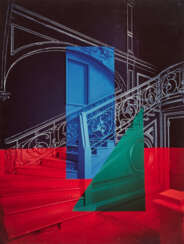

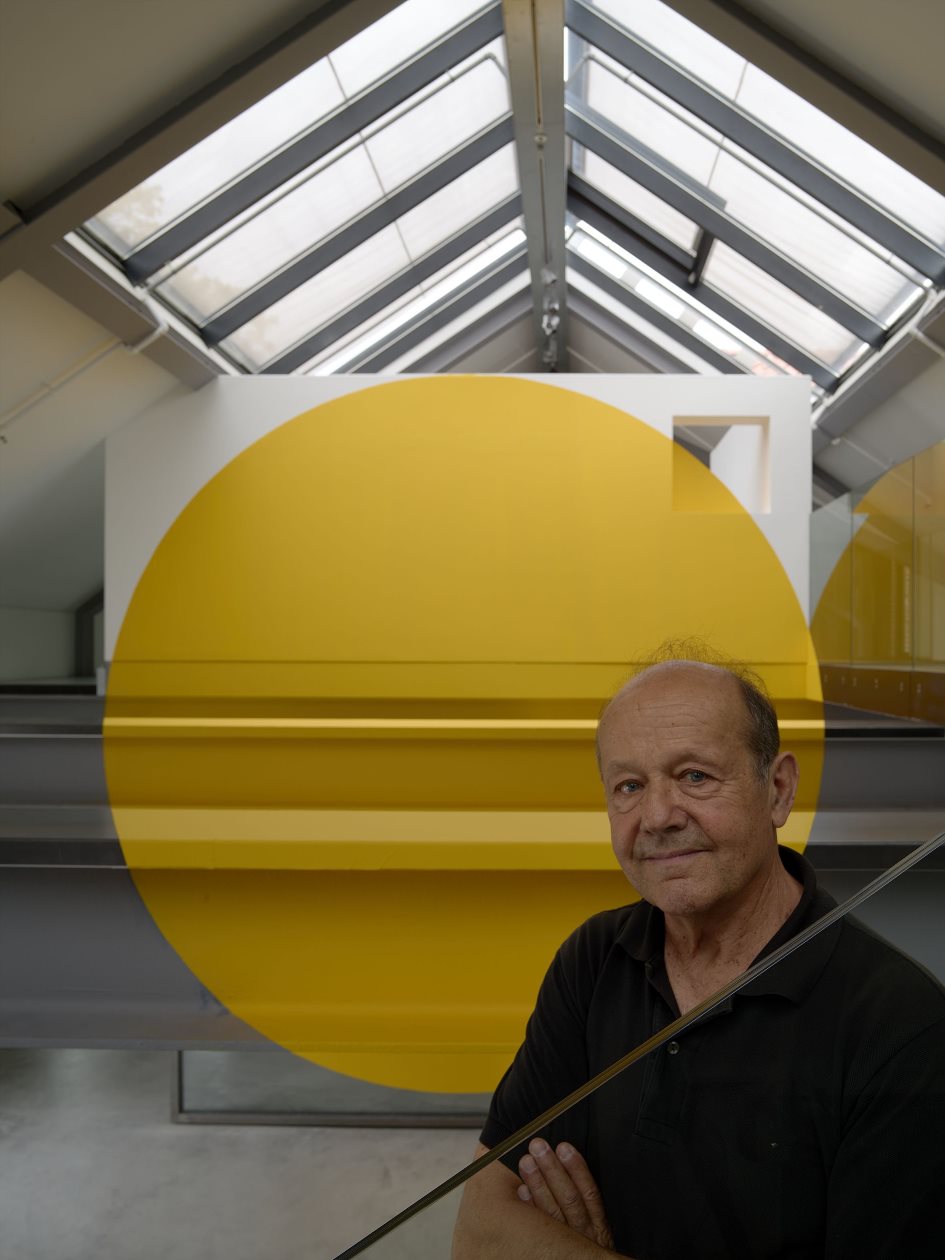



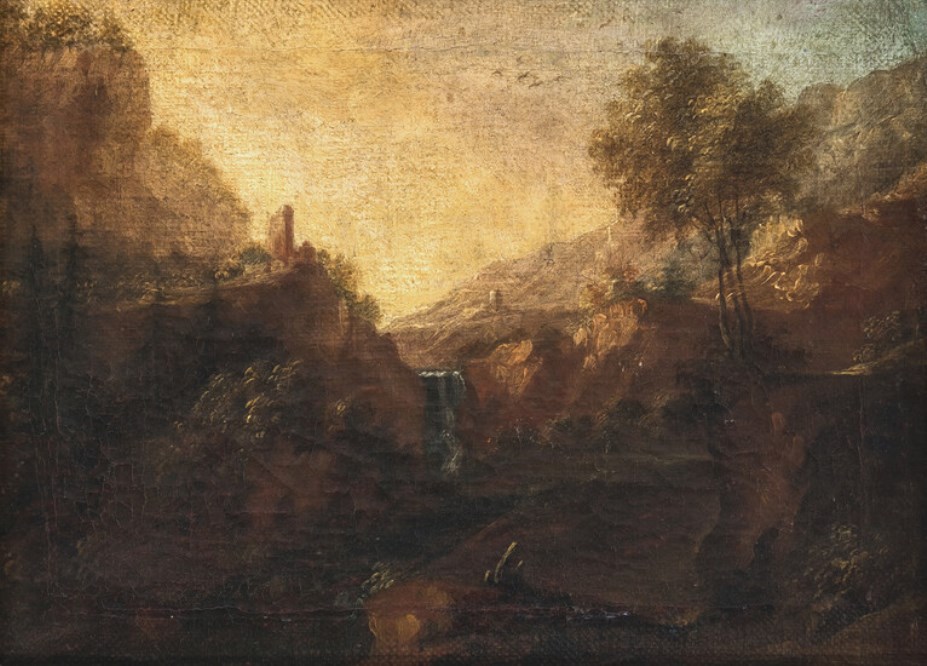
Michele Comini was a German and Italian landscape painter, printmaker, and theologian.
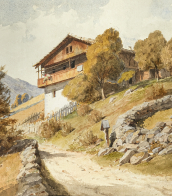
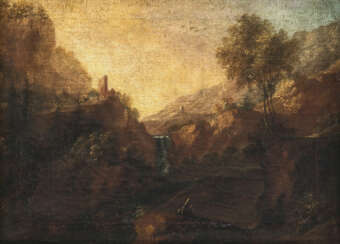

Michele Comini was a German and Italian landscape painter, printmaker, and theologian.